
Drains · June 10, 2026
Cast Iron Drain Stack Problems in 1960s-70s Homes
Why the original drains in older FV homes slow and clog, the cast iron versus ABS split, and when cabling is not enough.
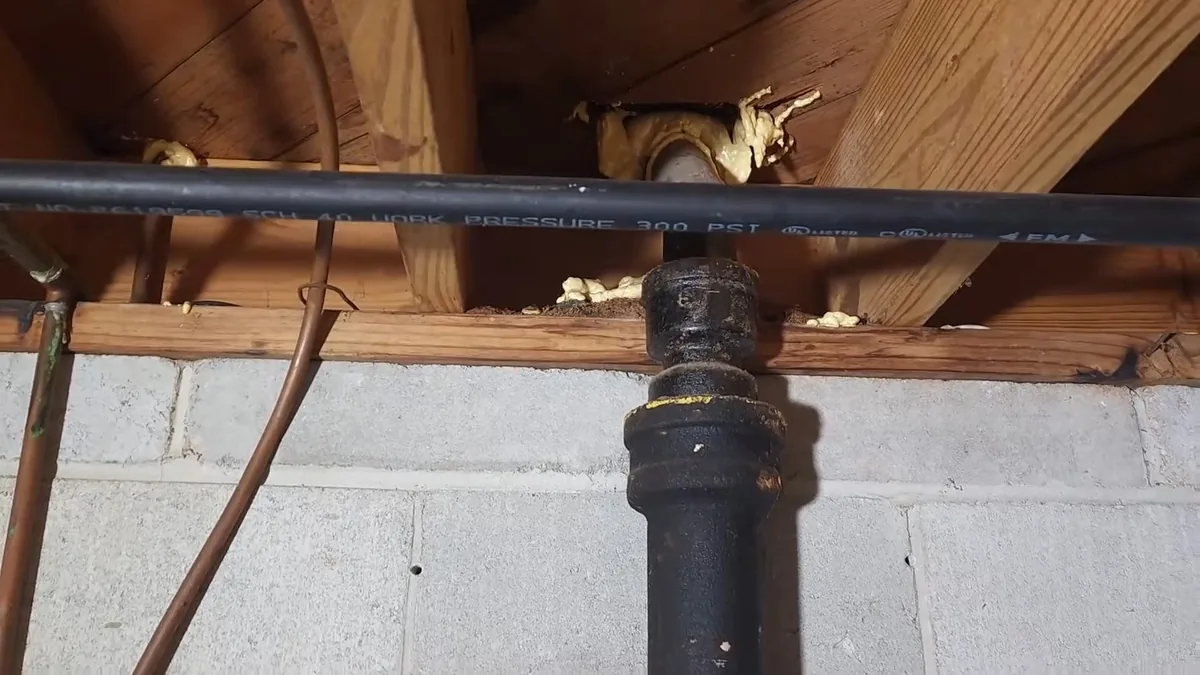
Supply pipe gets most of the attention because leaks are dramatic, but the drain side of an older Fountain Valley home quietly causes just as much trouble. If your home was built in the 1960s or 1970s, its drains are very likely cast iron, and after half a century that cast iron is the reason your kitchen sink keeps backing up. Here is what is going on inside those pipes.
What a drain stack is
The drain stack is the main vertical pipe that carries wastewater from your home's fixtures down to the sewer lateral and out to the city main. In a typical FV tract home it is cast iron, a heavy, durable material that was standard for decades. Durable is not the same as permanent, though, and cast iron has a specific way of aging.
Why cast iron slows down with age
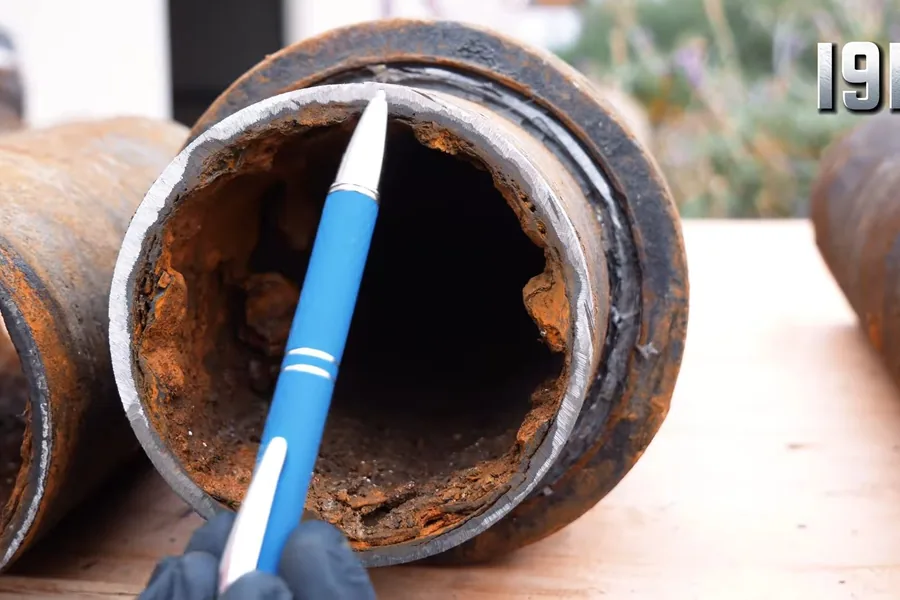
New cast iron pipe has a smooth interior that lets waste slide through. Over decades, the inside surface corrodes and roughens, developing a scaly, pitted texture. That rough surface does two things: it catches grease, soap, and waste that would slide past smooth pipe, and it narrows the effective diameter of the line. The result is a drain that runs slower every year and clogs in the same spots again and again. In a city where the homes are all about the same age, this is one of the most common calls we get.
The cast iron versus ABS divide
Not every Fountain Valley home has cast iron drains. The city built out over roughly two decades, and the later tracts switched to ABS, a black plastic drain pipe that is smoother and far more resistant to the scaling and corrosion that plague cast iron. If your home is from the earlier part of the city's development, you likely have cast iron and the drain problems that come with it. If it is from the later tracts, you may have ABS and noticeably fewer drain headaches. Knowing which you have explains a lot about your home's behavior.
The signs your cast iron is failing
Recurring clogs in the same place
A drain that clogs, gets cleared, and clogs again in weeks is usually telling you the pipe itself is the problem, not what went down it.
Multiple slow drains
When several fixtures drain slowly at once, the issue is in the shared stack or main, not one fixture.
Gurgling and odors
Air struggling past a partly blocked line makes drains gurgle, and a deteriorating stack can let sewer odor escape.
Backups
The most serious sign. When wastewater comes back up the lowest drain, the line is significantly blocked or failing.
Why cabling is sometimes not enough
A drain cable, or snake, clears a clog by punching a channel through it. On a line coated with decades of grease and scale, that channel closes again within weeks, which is why some homeowners feel like they are calling for the same clog over and over. For a heavily scaled cast iron line, hydro jetting, which scours the full inside diameter clean with high-pressure water, lasts far longer. The catch is that jetting an already-deteriorated pipe can do harm, so a camera inspection should come first to confirm the line is sound enough to clean.
When repair or replacement is the answer
Sometimes cleaning is not the fix because the pipe is past it. A camera inspection shows the truth: a stack so scaled it can no longer pass waste, a section that has cracked or holed, or a belly that sags and holds water. At that point, repairing the bad section or replacing the stack is the honest path. The recording turns a guessing game into a clear decision, and it keeps the conversation grounded in what is actually in your walls rather than a sales pitch.
What to do
If you are fighting recurring drain clogs in an older Fountain Valley home, stop treating each one as a fresh surprise. Have the line cleared, then cameraed, so you know whether you are looking at a maintenance jetting every couple of years or a stack that has reached the end of its life. Either way, you will spend less over time than you would calling for the same clog every few weeks.