
Hard-water specialists · Central OC
Water Heater Repair in Fountain Valley, CA
Hard water is rough on water heaters, and Fountain Valley has some of the hardest in the county. We diagnose the real problem and give you a straight repair-or-replace answer.
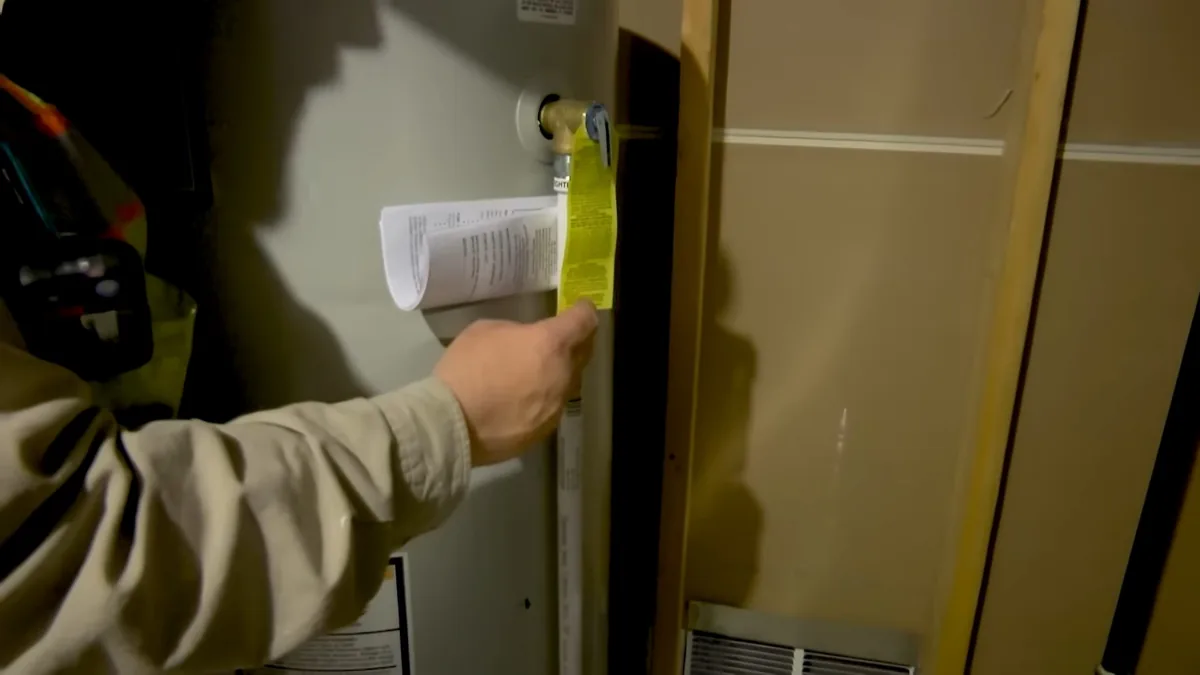
A water heater is the appliance hard water punishes most, which makes it one of our steadiest repair calls in Fountain Valley. We diagnose the real problem first, then tell you honestly whether a repair makes sense or whether the unit has reached the end of its life.
How hard water shortens a heater's life here
The City of Fountain Valley delivers very hard water, averaging around 11 to 14 grains per gallon and climbing higher seasonally. Every gallon that passes through your tank leaves a little mineral behind. Over years, that sediment bakes into a hard crust on the bottom of the tank, insulating the burner from the water, driving up gas use, and eventually corroding the tank. In softer-water regions a tank might last 12 to 15 years. In Fountain Valley, eight to twelve is more typical, and a neglected tank fails sooner.
Common water heater problems we repair
No hot water
On a gas unit this is often a failed thermocouple or pilot assembly. On electric, a tripped element or thermostat. Both are usually repairable.
Not enough hot water
Sediment buildup steals tank capacity, so you run out faster. A flush can help; a heavily scaled tank may be past saving.
Popping or rumbling sounds
That is the sound of water bubbling under a layer of hardened sediment. It is the hard-water signature, and it shortens the tank's remaining life.
Rusty water or a leaking tank
Rusty hot water means the tank is corroding from inside. A leak from the tank body itself is not repairable; that unit needs replacement before it fails completely.
Repair or replace
We do not default to selling you a new unit. If your heater is under about eight years old and the failure is a valve, thermocouple, element, or thermostat, a repair is usually the right answer and the better value. Repairs commonly run from roughly $150 to $600 depending on the part. Once a tank is leaking from the body, badly scaled, or past ten years in this hard water, replacement is the honest recommendation, and we will explain exactly why.
If replacement is the answer
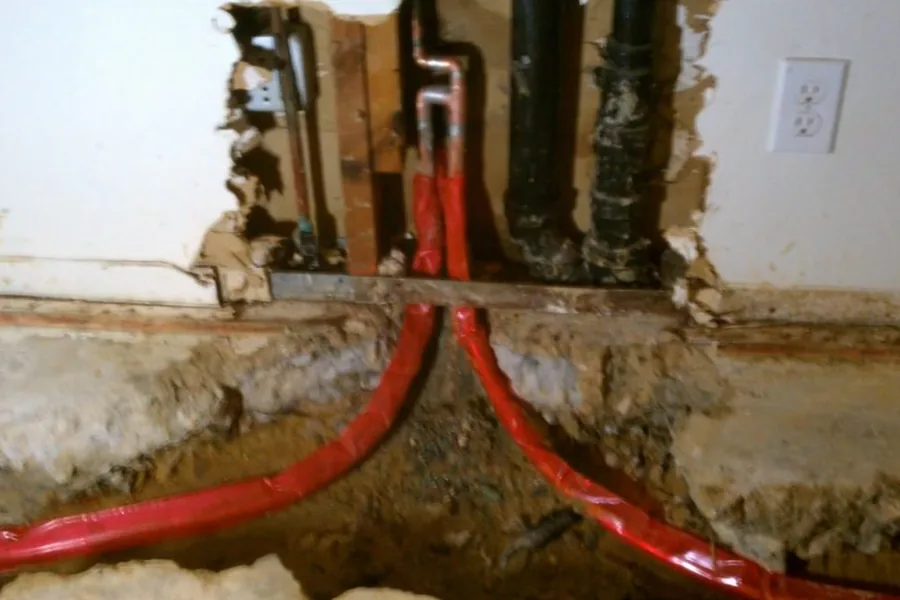
A new tank water heater installed to current code in central OC commonly runs about $1,400 to $2,800 depending on size, venting, and whether your install needs updates like a new expansion tank, seismic strapping, or a drain pan. Fountain Valley sits in earthquake country near the Newport-Inglewood fault zone, so proper seismic strapping is both code and good sense. If you are considering going tankless to sidestep the sediment problem entirely, we can walk you through that option too.
Make your next heater last longer
Whatever you install, an annual flush to clear sediment is the single best thing you can do for a water heater in Fountain Valley. A whole-home water softener helps even more by keeping the minerals out of the tank in the first place. We can set up either when we are there.
Sizing and choosing your next water heater
Picking the right unit is mostly about matching capacity to how your household actually uses hot water. A two-person home off Ellis Avenue and a five-person home near Talbert have very different needs, and an oversized tank wastes energy keeping water hot that nobody uses while an undersized one leaves you cold mid-shower. For most Fountain Valley families a 40 or 50 gallon tank is the right call, and we size it to your bathroom count and morning routine rather than guessing. If your gas line, venting, or electrical does not match the unit you want, we flag that before you buy, not after.
Gas, electric, and tankless in Fountain Valley homes
Most older FV homes were built with gas water heaters, and replacing like for like is usually the simplest, least expensive path. Electric units make sense in some condos and additions where there is no gas line to the heater location. Tankless is worth a serious look in this hard-water city for one reason in particular: with no tank sitting full of heating water, there is no sediment bed to bake on, which sidesteps the failure mode that kills tanks here early. Tankless costs more up front and needs adequate gas supply and venting, so we will tell you honestly whether your home is a good candidate before you spend on it.
The repairs we make most often
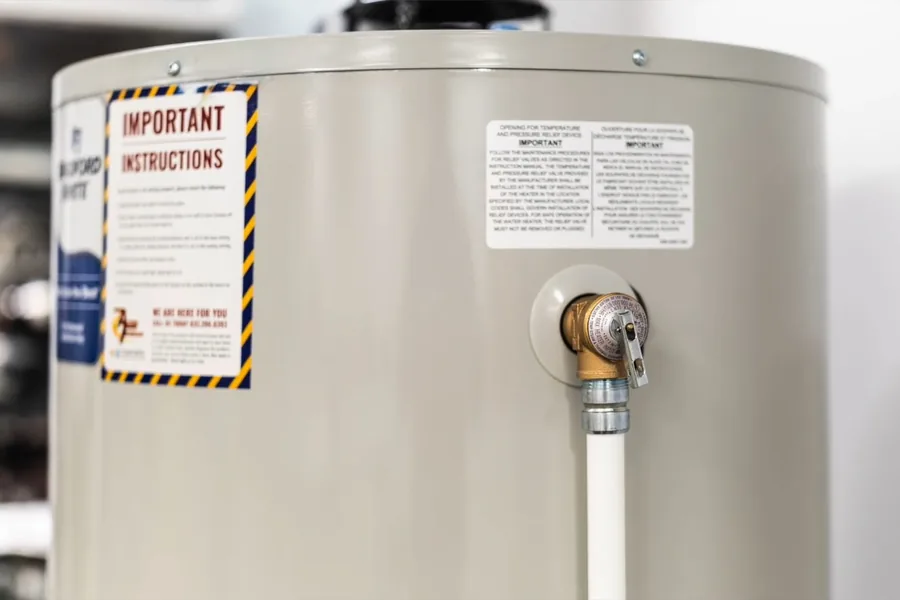
A water heater is a fairly simple appliance, and many failures come down to one part. On a gas unit, a failed thermocouple or igniter is one of the most common reasons the pilot will not stay lit, and it is an inexpensive fix. On an electric unit, a burned-out heating element or a tripped thermostat is the usual cause of no hot water, also a straightforward repair. A leaking or weeping temperature-and-pressure relief valve, the safety valve on the side of the tank, can often be replaced rather than condemning the whole heater. And a worn anode rod, the sacrificial metal rod that corrodes so your tank does not, can be swapped to extend the life of an otherwise sound unit.
We diagnose which of these is actually the problem before quoting, so you are paying to fix the real fault rather than replacing parts on a guess.
When repair stops making sense
There is a point where repairing an old heater is throwing money at a unit that is going to fail anyway, and we will tell you when you have reached it. A tank that is leaking from the body itself cannot be repaired, that water is coming through corroded steel, and the unit needs replacement before it ruptures. A heater past about ten years in Fountain Valley's hard water, especially one that has already needed a repair or two, is usually better replaced than patched again. The rule of thumb we use: if the repair costs a large fraction of a new unit and the heater is near the end of its expected life here, replacement is the better value.
Getting more life from your next heater
Whether we repair your current unit or install a new one, the same maintenance protects it. An annual flush clears the sediment that hard water bakes onto the tank bottom before it insulates the burner and corrodes the steel. Checking the anode rod partway through the tank's life and replacing it when spent can add years. And a whole-home water softener, by keeping the minerals out entirely, is the most complete protection, which is why softened-water homes consistently get longer heater life. We can set up any of these while we are on site.
Frequently asked questions
How long should a water heater last in Fountain Valley?
In this hard water, eight to twelve years is typical for a tank unit, shorter than the 12-to-15 years you might see in softer-water areas. Annual flushing and a water softener both extend that life.
Is it worth repairing my water heater or should I replace it?
If the unit is under roughly eight years old and the issue is a thermocouple, valve, element, or thermostat, a repair is usually the better value, often $150 to $600. If the tank is leaking from the body, heavily scaled, or past ten years, replacement is the honest call.
What does a new water heater cost installed?
A standard tank water heater installed to code in central OC commonly runs about $1,400 to $2,800, depending on size, venting, and any required updates like an expansion tank or seismic strapping. We give a firm price before we start.
Can I prevent hard-water damage to my heater?
Yes. An annual flush clears sediment before it bakes on, and a whole-home water softener keeps minerals out of the tank entirely. Both noticeably extend the life of a heater in Fountain Valley.
What are the most common water heater repairs?
On gas units, a failed thermocouple or igniter that stops the pilot staying lit is common and inexpensive. On electric units, a burned-out element or tripped thermostat is the usual no-hot-water cause. A weeping temperature-and-pressure relief valve and a worn anode rod are also frequently replaceable rather than replacing the whole heater. We diagnose the real fault before quoting.
How do I know if I should repair or replace?
If the unit is under about eight years old and the issue is a part, repair is usually the better value. If it is leaking from the tank body, heavily scaled, or past ten years in this hard water, replacement is the honest call. Our rule: if the repair costs a large fraction of a new unit on a heater near the end of its life here, replace it.
Why is my water heater making popping or rumbling noises?
That sound is water bubbling up through a layer of hardened sediment on the tank bottom, the signature of Fountain Valley's hard water. It means scale has built up, which steals efficiency and capacity and stresses the tank. An annual flush clears sediment before it bakes on, and a softener prevents it.
Can I extend the life of my water heater?
Yes. Flush the tank annually to clear sediment, have the anode rod checked and replaced when spent, and consider a whole-home water softener to keep the minerals out entirely. Softened-water homes consistently get longer heater life. We can set up any of these while on site.
The drain pan under my water heater is full of water. Is that repairable?
It depends where the water is coming from. If it is weeping from the temperature and pressure relief valve or a supply connection, that is usually a straightforward part replacement. If it is coming from the body of the tank itself, the steel has corroded through and no repair will hold, so the unit needs replacing before it ruptures. Fountain Valley's very hard water, in the 11 to 20 grains per gallon range, shortens tank life here, so a full pan on a unit past about ten years usually points to the tank rather than a fitting.
Related plumbing services
Need water heater repair in Fountain Valley?
Get a real plumber, a straight diagnosis, and an upfront price. Available 24/7 for emergencies across central Orange County.