
Water Softeners · June 21, 2026
Choosing a Water Softener in Fountain Valley
Salt-based or salt-free, what size, and whether it is worth it in some of the hardest water in the county.
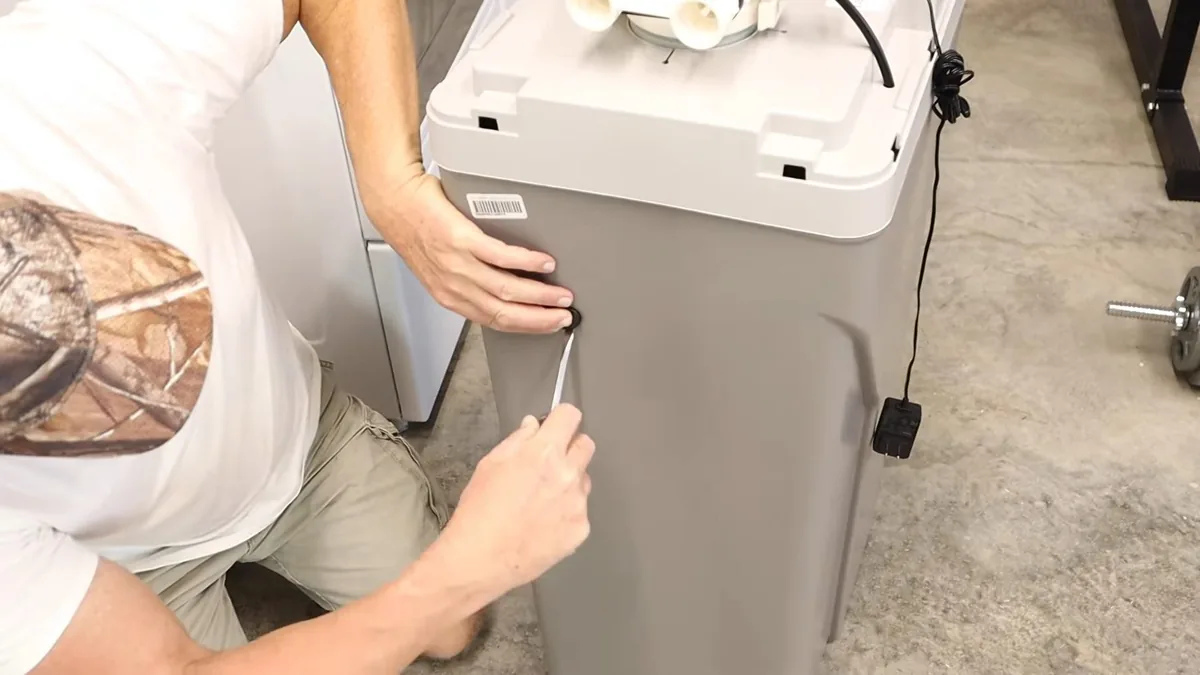
Once you have decided Fountain Valley's hard water is worth treating, the next questions are practical: salt-based or salt-free, what size, and is it really worth the cost? This is a buyer's guide to choosing a water softener for a home in some of the hardest water in the county.
First, confirm you have hard water worth treating
In Fountain Valley, you almost certainly do. The city's water runs well into the very hard range, and the evidence is usually visible: scale on faucets, spotty dishes, a rumbling water heater, and fixtures that wear out fast. A simple hardness test confirms your specific number, which also helps size the system correctly. If you are seeing the symptoms, testing is mostly about getting the sizing right rather than deciding whether you have a problem.
Salt-based vs. salt-free
This is the central choice, and the two work very differently.
Salt-based ion exchange
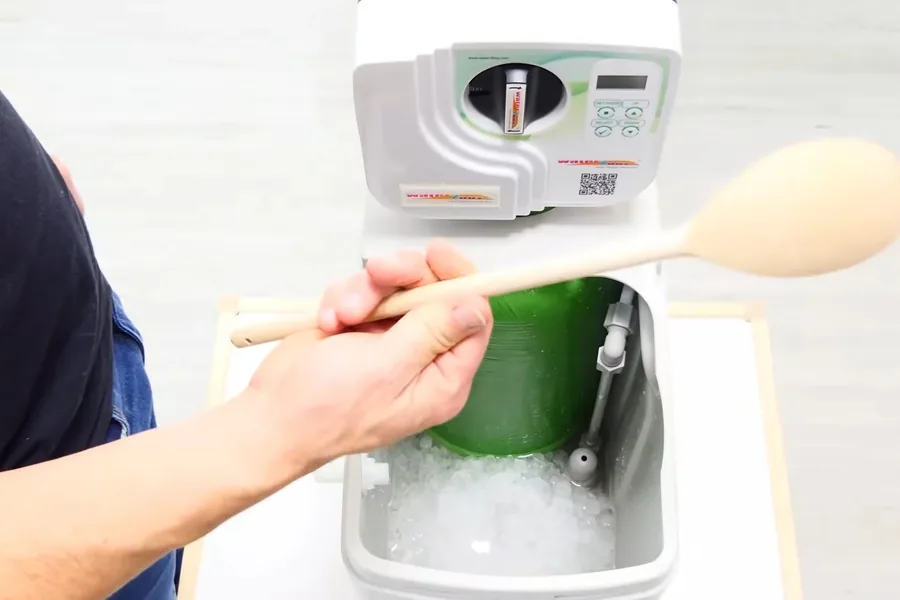
The traditional softener. It actually removes the calcium and magnesium that make water hard, exchanging them through a resin bed that recharges with salt. It is the most effective option and the right choice for water as hard as Fountain Valley's. The trade-offs are periodic salt refills, a small amount of water used in regeneration, and the brine discharge, which matters in areas with restrictions.
Salt-free conditioning
These do not remove minerals; they alter their structure so they are less likely to form scale. They need little maintenance, use no salt, and suit homeowners who cannot add brine to the wastewater or want a lower-upkeep system. The trade-off is less complete protection, since the minerals are still in the water.
For the city's very hard water, a salt-based system gives the most thorough protection. A salt-free conditioner is a reasonable compromise where maintenance or discharge rules make salt impractical.
Salt-based vs. salt-free at a glance
| Factor | Salt-based (ion exchange) | Salt-free (conditioning) |
|---|---|---|
| Removes hardness minerals | Yes | No (alters them) |
| Scale protection | Most complete | Partial |
| Maintenance | Periodic salt refills | Very low |
| Brine discharge | Yes | None |
| Best for | Very hard water like FV's | Low-maintenance or no-salt needs |
| Relative cost | Moderate, plus salt | Similar up front, less upkeep |
Sizing it right
Size matters more than people expect. A softener that is too small for your household regenerates constantly, wearing out faster and never quite keeping up. One that is too large wastes salt and water. Correct sizing is based on two things: how hard your water actually is, and how much water your household uses, which scales with the number of people and bathrooms. A four or five person home needs meaningfully more capacity than a couple. This is why a quick assessment beats buying a unit off a shelf based on price alone.
Where it goes
A whole-home softener is installed where the main water line enters the house, so it treats all the water before it reaches your pipes, heater, and fixtures. In most Fountain Valley homes that means the garage or an exterior utility location. The install needs a drain for regeneration discharge and, for salt-based units, space for the brine tank.
Is it worth the cost?
A whole-home softener is a meaningful investment, with the price set by the system type, your water use, and whether you add filtration. The return shows up in several places: a water heater that lasts years longer, pipes and fixtures that stop scaling and wear out slower, less soap and detergent needed, and the daily difference in laundry, dishes, and how the water feels. Against the cost of replacing a heater every eight years and a steady stream of fixture repairs, the system typically pays its way over time in a city this hard.
Making the choice
For most Fountain Valley homes, the practical path is a properly sized salt-based softener, possibly paired with carbon filtration for taste, installed at the main line. But the right answer depends on your household, your water, and any local discharge considerations, so it is worth having your water tested and the options explained before you buy. The goal is a system matched to your home, not the cheapest or the most expensive on the shelf.