
Hard Water · May 20, 2026
The Fountain Valley Hard Water Guide
Just how hard the city's water is, what it does to your pipes, heaters, and fixtures, and the practical ways to fight back.
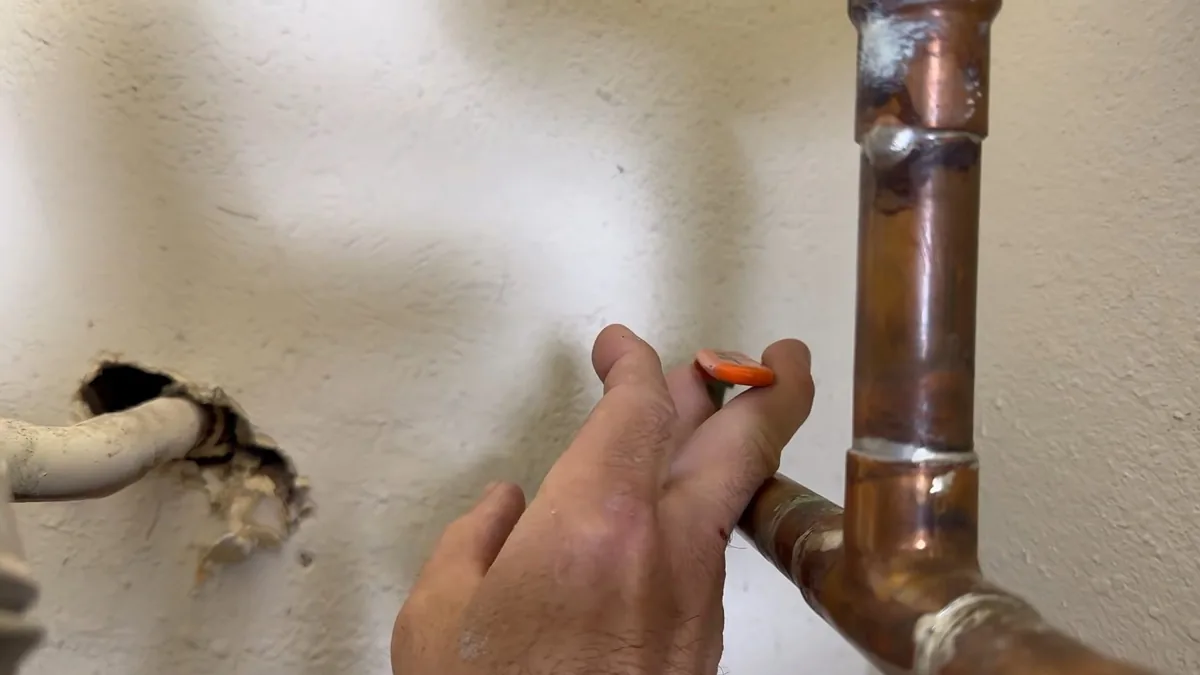
Almost every plumbing problem we see in Fountain Valley has the same silent partner: hard water. It scales the water heater, wears out the faucets, narrows the pipes, and spots the glassware. This guide explains just how hard the water is, what it does throughout your home, and the practical ways to deal with it.
How hard is it, really
Water hardness is measured in grains per gallon, and anything above about ten grains is considered very hard. Fountain Valley's water sits well into that range, commonly reported in the teens and climbing higher in some seasons as the blend of local groundwater and imported supply shifts. The exact number moves around, but the conclusion does not: this is very hard water, among the harder supplies in Orange County, and it has been working on your home's plumbing for as long as the home has stood.
What hard water does, room by room
The water heater
This is hard water's biggest victim. Minerals settle and bake into sediment on the tank bottom, stealing efficiency and capacity and corroding the tank. It is why heaters here last eight to twelve years instead of longer.
The pipes
Scale builds up inside supply lines over decades, narrowing them and contributing, along with corrosion, to the pinhole and slab leaks older FV homes develop.
Faucets and fixtures
Scale clogs aerators and showerheads, stiffens and wears cartridges until handles drip, and crusts onto finishes. Fixtures simply wear out faster here.
Toilets
Mineral buildup coats the tank parts and clogs the rim jets that direct water into the bowl, weakening the flush over time.
The signs you are looking at hard water
You can usually see hard water at work before anything fails. White, crusty buildup on faucets and showerheads. Spots and film on glasses and dishes straight out of the dishwasher. Soap and shampoo that never quite lather, and more product needed to get clean. Stiff laundry and faded clothes. A water heater that pops and rumbles. None of these is an emergency, but together they are the daily fingerprint of very hard water.
What you can do about it
There is a range of responses, from simple maintenance to a whole-home solution:
Maintain around it
Flush the water heater annually, clean aerators and showerheads of scale, and stay ahead of fixture wear. This manages the symptoms without changing the water.
Filter at points of use
Under-sink or pitcher filters improve drinking water taste but do not address the scale damaging your plumbing.
Soften the whole home
A whole-home water softener removes the hardness minerals before they reach your pipes, heater, and fixtures. It is the only option that protects the entire plumbing system at once, which is why it is a common upgrade here.
Is a softener worth it
For many Fountain Valley homeowners, yes. Set against a water heater that fails years early, pipes that scale, and a steady stream of fixture repairs, a softener often pays its way over time, on top of the day-to-day improvements in cleaning, laundry, and how the water feels. Whether salt-based or salt-free is right for you, and what size you need, depends on your household and your water, which is a decision worth making with someone who can test your supply.
The bottom line
You cannot change the water the city delivers, but you can understand it and decide how to respond. Hard water is the common thread behind so many Fountain Valley plumbing problems that addressing it, even just with diligent maintenance, pays off across your whole home. Knowing what you are dealing with is the first step.