
Emergencies · April 29, 2026
How to Shut Off Your Water in an Emergency
Where to find your main shutoff, how to use it, and the few minutes of prep that can save your floors.
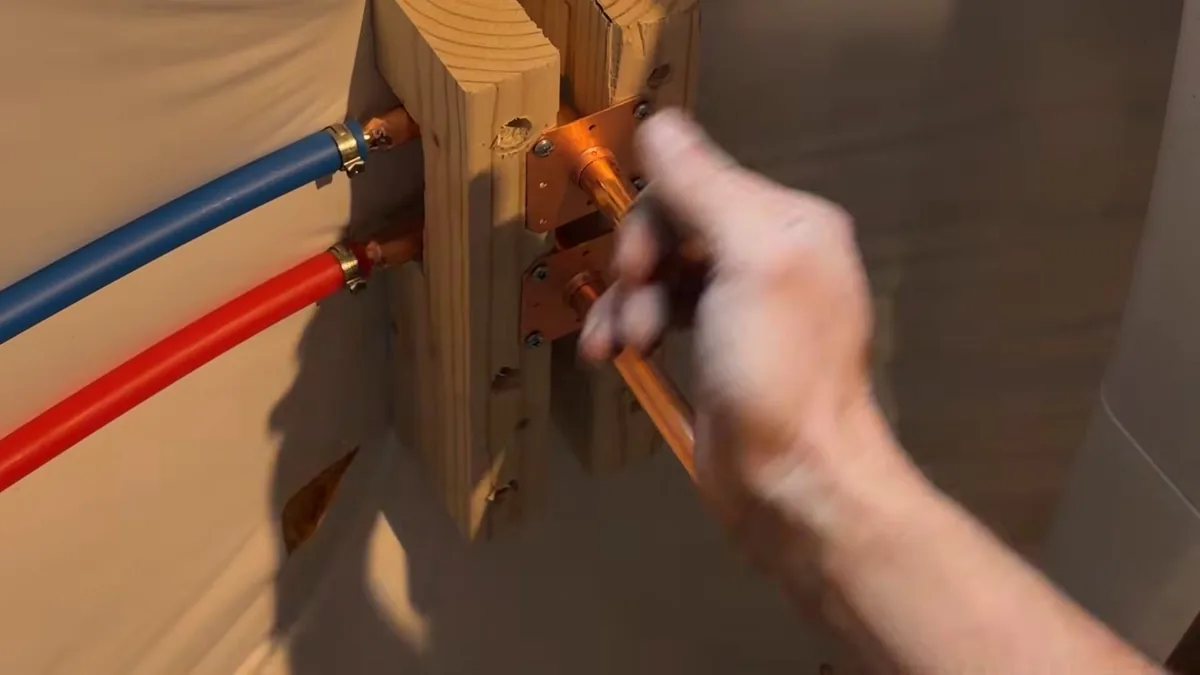
When a pipe bursts or a fixture fails, the minutes before help arrives decide how much damage your home takes. Water under pressure can put gallons into your floors and walls fast, and the one thing that stops it is knowing where your shutoff valves are and how to use them. Take ten minutes now, before anything goes wrong, to learn them. Future you will be grateful.
Find your main shutoff first
Your main water shutoff stops the flow to your entire house, and it is the most important valve to know. In most Fountain Valley homes, you will find it in one of these places:
Near the front of the house
Often close to the hose bib at the front, on the wall where the supply line enters, or in the garage. Look for a valve on the main pipe.
At the meter box
Near the property line, usually under a rectangular lid in the ground marked for water. There is a valve on the house side of the meter.
Go look right now and confirm which you have. The worst time to search for the valve is while water is pouring through your ceiling.
How to turn it off
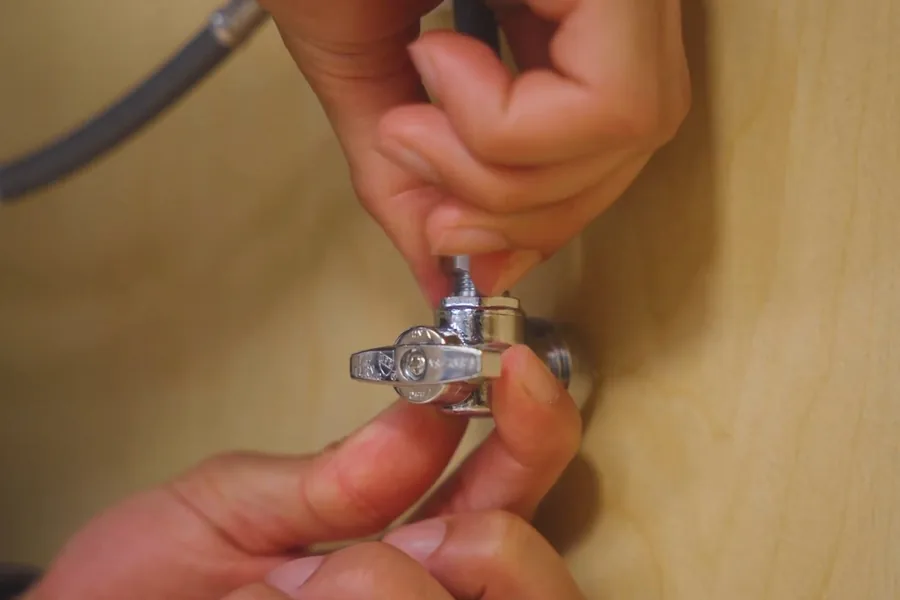
Most home shutoffs are one of two types. A round wheel-style valve turns clockwise, righty-tighty, and may take several full turns to close. A lever-style ball valve turns a quarter-turn until the handle is perpendicular to the pipe. If the valve is stiff from years of sitting, turn firmly but steadily rather than forcing it. The meter-box valve may need a meter key or a wrench, which is worth keeping on hand. Once it is closed, open a low faucet in the house to relieve the remaining pressure and confirm the water is off.
Know your fixture shutoffs too
For a problem at a single fixture, you may not need to kill water to the whole house. Most have a local shutoff:
Toilets
A small valve on the wall or floor behind the toilet, on the supply line to the tank. Turn it clockwise to stop an overflowing or running toilet.
Sinks
Angle-stop valves under the sink, one for hot and one for cold. Closing these isolates a leaking faucet or supply line.
Water heater
A valve on the cold-water line entering the top of the tank. Close it for a leaking heater, along with the main if the leak is bad.
A caution worth knowing: the angle-stop valves under sinks and behind toilets seize up with age and hard-water scale in older FV homes, and a valve that has not been turned in twenty years can break when you finally need it. If yours feel frozen, it is worth having them replaced before an emergency, not during one.
For a gas smell, the rule is different
If you ever smell gas, do not start flipping valves or switches. Leave the house first, then call from outside, and contact your gas utility if the smell is strong. Gas is the one emergency where getting out comes before everything else.
Make a two-minute plan
Walk your house once and locate the main shutoff, the water heater valve, and the stops under each sink and toilet. Make sure everyone in the household who might be home alone knows where the main is and how to close it. Keep a meter key or wrench somewhere obvious. That small bit of preparation is the cheapest insurance there is against the kind of water damage that turns a simple repair into a renovation. And when the immediate flow is stopped, call a plumber to handle the actual failure safely.