
Water Heaters · May 13, 2026
Tankless vs. Tank Water Heaters for Orange County Homes
How the two compare in a hard-water city, the real costs, and how to tell which one fits your home.
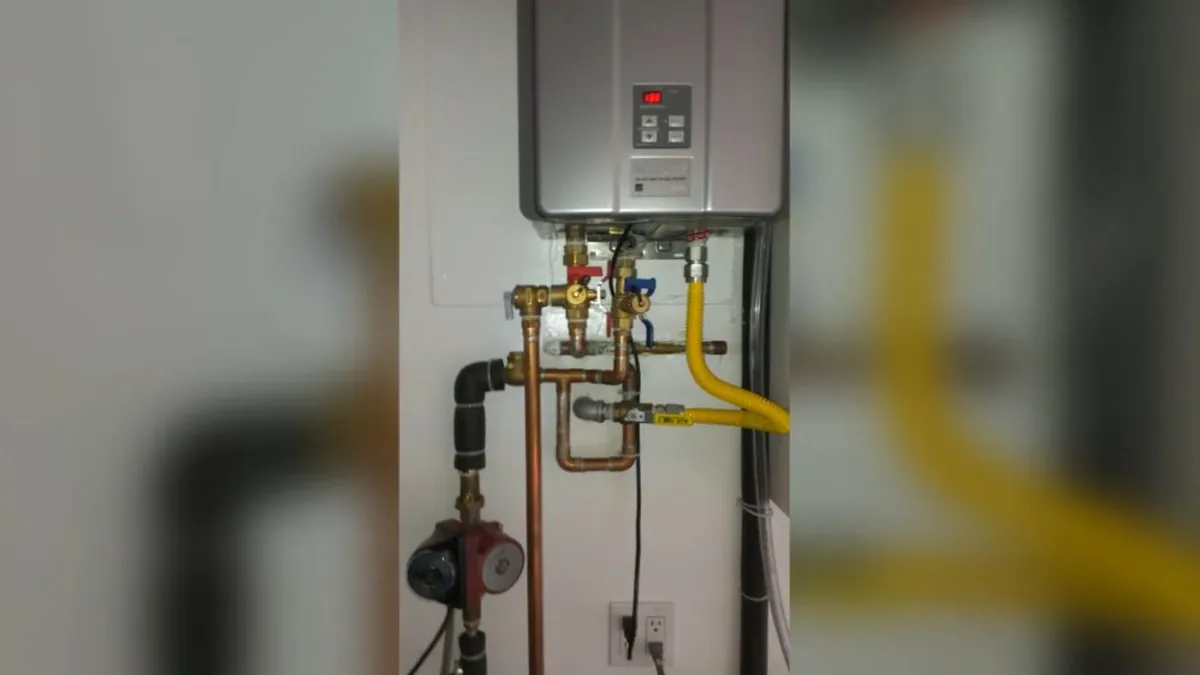
When it is time to replace a water heater in Orange County, the first decision is whether to stick with a traditional tank or switch to tankless. Both are good options, and the right one genuinely depends on your home, your habits, and your budget. Here is an honest comparison, with particular attention to what Fountain Valley's hard water does to each.
How they differ
A tank water heater keeps 40 to 50 gallons of water hot around the clock, ready when you need it. A tankless unit heats water on demand as it flows through the unit, with no stored reservoir. That single design difference drives nearly every trade-off between them.
The hard-water factor
This is where Fountain Valley changes the math. A tank heater's biggest enemy here is sediment: hard-water minerals settle and bake onto the bottom of the tank, shortening its life to eight to twelve years. A tankless unit has no tank of standing water, so there is no sediment bed to corrode it. It is not immune to hard water, scale can build up on the heat exchanger, but that is managed with an annual descaling flush rather than a slow destruction of the whole unit. In this water, a well-maintained tankless unit typically outlasts a tank by a wide margin.
Tank vs. tankless at a glance
| Factor | Tank | Tankless |
|---|---|---|
| Up-front cost (installed) | $1,400 – $2,800 | $3,500 – $6,500 |
| Lifespan in hard water | 8 – 12 years | Often 15+ with descaling |
| Hot water supply | Limited to tank size | Continuous, if sized right |
| Standby energy use | Heats tank around the clock | Heats only on demand |
| Hard-water maintenance | Annual flush | Annual descaling flush |
| Gas / venting upgrade | Usually none | Often needed in older homes |
| Space used | Floor-standing tank | Wall-mounted unit |
The case for tankless
Endless hot water
Sized correctly, it never runs out, because it heats continuously rather than draining a fixed tank.
Longer life in hard water
No tank to scale and corrode means a longer service life here, often well beyond a tank's.
Lower standby energy use
It only heats when you call for hot water, rather than keeping a tank warm all day.
Space savings
A wall-mounted unit frees up floor space in the garage.
The case for a tank
Lower up-front cost
A tank costs less to buy and install, and a like-for-like replacement is the simplest, least disruptive job.
No gas or venting upgrades
Many older FV homes need a larger gas line and new venting to feed a tankless unit's higher burn rate. A tank usually drops into the existing setup.
Simple maintenance
An annual flush is good practice, but a tank is forgiving. Tankless requires a yearly descaling in hard water to protect the heat exchanger.
The honest costs
A standard tank replacement installed to code in central OC commonly runs about $1,400 to $2,800. A tankless install commonly runs about $3,500 to $6,500, with the spread driven mostly by whether your home needs a gas-line and venting upgrade. Tankless costs more up front, offset over time by longer unit life and lower standby energy use. Whether that math works for you depends on how long you plan to stay in the home and what your gas and venting situation looks like.
How to choose
Tankless tends to make sense if you plan to stay in the home for years, you are tired of replacing scaled tanks, your gas supply can feed one or you are willing to upgrade it, and you value endless hot water. A tank tends to make sense if you want the lowest up-front cost, your current setup is gas-and-vent ready for a simple swap, or you are replacing on short notice and want the straightforward option. There is no wrong answer, only the right fit for your home, and a good plumber will assess your gas line, venting, and hot-water demand before steering you either way rather than pushing the pricier option.