
Sewer Lines · May 27, 2026
Tree Roots and Sewer Lines in Central Orange County
Why mature street trees keep finding the old sewer laterals under FV homes, and what your options are.
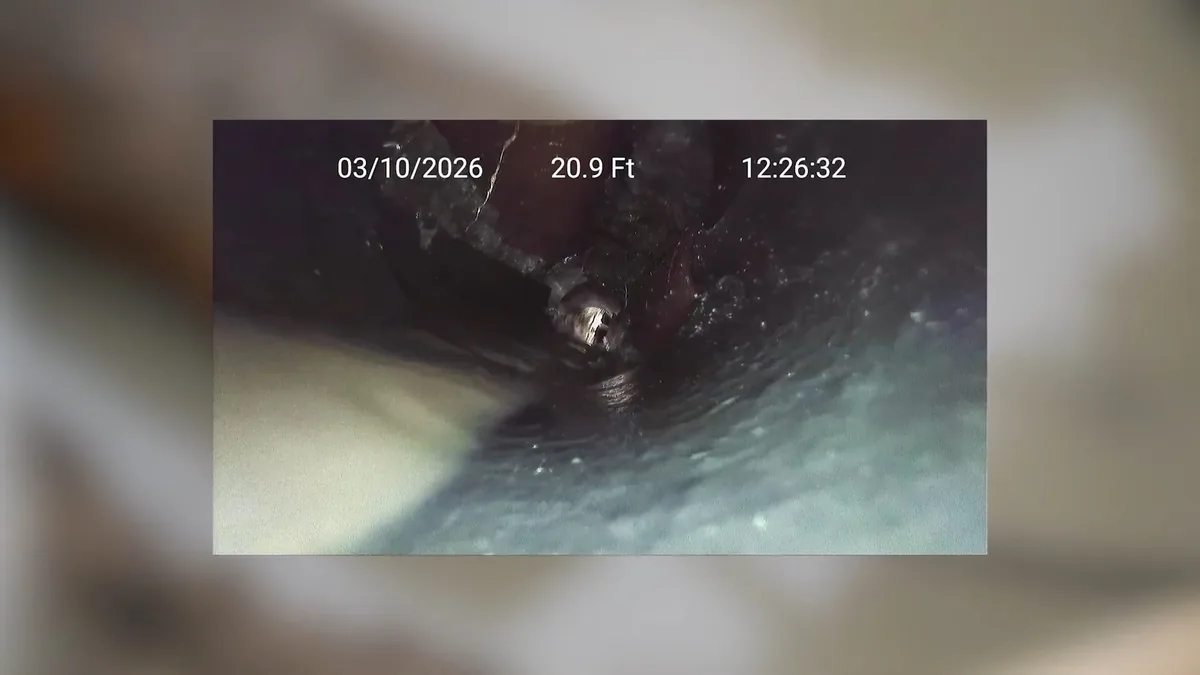
The mature trees that make central Orange County neighborhoods so pleasant are also, from a plumber's point of view, one of the leading threats to your sewer line. In older Fountain Valley and surrounding-city homes, tree roots and aging sewer laterals are a recurring and expensive pairing. Here is why it happens and what you can do about it. Roots most often enter at the joints of the original clay or cast iron laterals under 1960s and 1970s homes, so a line that needs a clogged drain service twice in one season is usually reporting a root problem rather than a grease problem.
Why roots go for the sewer
Tree roots grow toward water, and a sewer lateral is a steady, reliable source of it. The clay and cast iron laterals under older homes are not perfectly sealed: over fifty or sixty years, the joints loosen and the pipe develops small cracks. Those gaps release a little moisture and vapor into the surrounding soil, and roots follow that trail straight to the pipe. Once a fine root finds a crack or joint, it grows inside, where the constant water and nutrients let it thrive into a dense mass.
What root intrusion does
A root mass inside a sewer line acts like a net. It catches the waste, grease, and debris flowing past, building into a blockage that slows drainage and eventually backs the line up. As the roots grow, they also widen the cracks they entered through, worsening the structural damage to the pipe. What starts as a slightly slow drain becomes, over time, a fully blocked or broken lateral.
The signs of roots in your line
Multiple slow drains
When several fixtures drain slowly or gurgle at once, the problem is in the shared main line, where roots intrude.
Recurring main-line clogs
A main that clogs, clears, and clogs again is a classic root signature, because the roots keep regrowing.
Gurgling toilets
Air forced past a partial blockage makes toilets and drains gurgle.
Backups
The most serious sign, when wastewater returns up the lowest drain in the house.
How it gets diagnosed
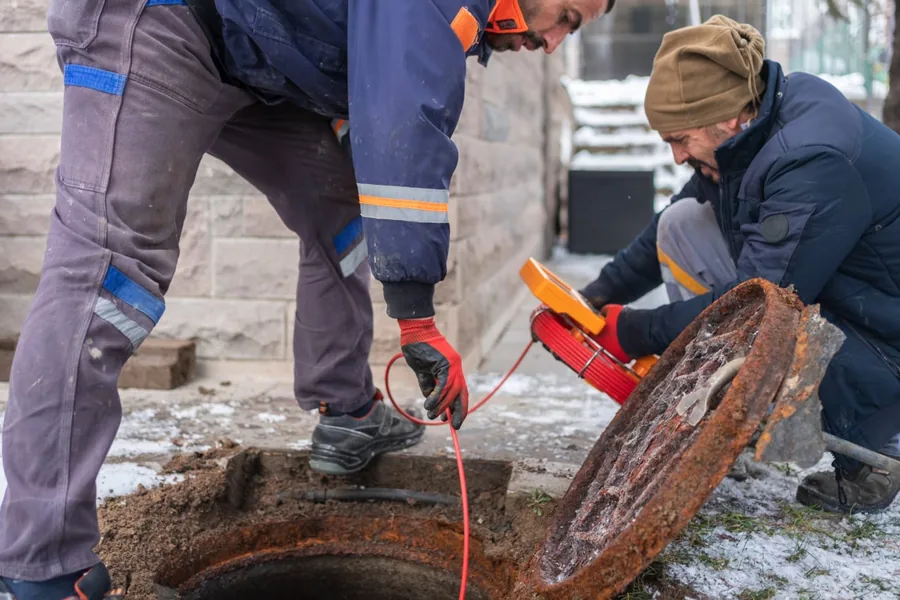
Roots are invisible from above ground, so the only way to know what is happening is a camera inspection. We run a camera through the lateral and watch the inside on a monitor, which shows exactly where the roots are entering, how far they have grown, and what condition the surrounding pipe is in. That recording is what separates a guess from a plan, and it tells us whether you need a cleaning, a repair, or a replacement.
Your options, from least to most involved
Cut and clear
Mechanical cutting or hydro jetting removes the current root mass and restores flow. It is the right first step, but because the entry point remains, roots usually return over time.
Spot repair
If roots are entering at one cracked joint or section, replacing that length stops them at the source while leaving the sound pipe alone.
Trenchless renewal
Lining or bursting the pipe creates a new, smooth, jointless interior that roots cannot penetrate, and it does this with minimal digging, sparing the very trees and landscaping that caused the problem.
Full replacement
When a lateral is failing along its length, replacing it ends the cycle for good.
Managing it long-term
If you have mature trees and an older lateral, some root intrusion is likely a question of when, not if. The practical approach is to catch it early with a camera inspection at the first sign of slow drains, clear what is there, and then decide whether a periodic maintenance cleaning will keep it manageable or whether a trenchless renewal is the smarter long-term fix. The worst approach is to keep clearing the same backup every few months without ever looking at why it returns.